

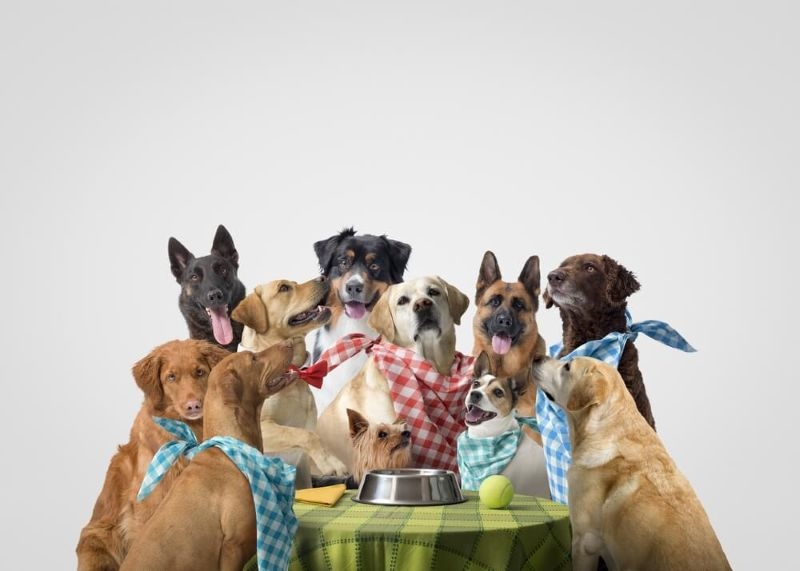
A dog's diet by breed size plays a big role in how dogs grow, moves, and feels each day. Dogs are not all built the same, so food should not be the same either. Large breed dog nutrition needs differ from small dog food needs in many ways. Puppies also need care, so a puppy diet guide helps owners avoid early mistakes. With simple pet feeding tips, meals become a tool for health, not a guess. This guide explains how size shapes diet choices and why matching food to body size matters more than many realize. Feeding well supports bones, digestion, and mood. Small changes in meals can help dogs live easier and happier lives.
Dog diet by breed size matters because bodies grow and work differently. A large dog burns energy more slowly than a small dog, even when eating more food. Small dog food needs to focus on quick energy, while large breed dog nutrition supports joints and steady growth.
Puppies also change fast, so a puppy diet guide helps match food to growth stages. Pet feeding tips based on size reduce problems like weight gain or weak bones.
Key reasons size matters include
Feeding without size awareness can cause long-term health trouble.
Related Resource: Dog Weight Management Diet with Foods for Overweight Pets
Small dogs have fast metabolisms. They burn energy quickly and often feel hungry sooner. Small dog food needs include a higher calorie density in smaller portions.
Dog diet by breed size guides often suggest frequent meals for small breeds. Tiny stomachs cannot hold large amounts, so quality matters more than volume.
Important points for small dogs include
Dogs that are small in size tend to burn their energy quickly, and before they know it, they are hungry. This makes them different from other dogs, especially on what they should eat. This means that small dogs are likely to be hungry frequently. In fact, dog diet guides for various breed sizes always recommend that small dogs be fed frequently, as they are unable to eat much at once.
Key points regarding small dogs:
There are also some tips given while feeding small-breed dogs, which focus on dental care. Since kibbles affect teeth cleaning and chewing in small breed dogs, smaller kibbles are helpful.
Large dogs also grow more slowly but have a longer period of growth. The focus of nutrition for large breeds is their growth speed rather than their weight gain speed. Excessive energy intake may impact their bones negatively.
Dog diet by breed size plans for large dogs often include controlled calories and balanced minerals. Calcium and phosphorus balance matter a lot.
Large breed dog nutrition benefits include
A puppy diet guide for large breeds often stresses patience. Slower growth supports stronger frames.
Puppies need special care, and size matters even more at this stage. A puppy diet guide helps avoid overfeeding or underfeeding during growth spurts.
The dog diet by breed size applies early. Small breed puppies mature faster, while large breeds grow for longer periods. Feeding schedules and formulas should reflect this.
Puppy feeding basics include
Pet feeding tips for puppies also suggest regular vet checks to track growth.
Feeding times matter as much as food type. Small dog food needs often include two to three meals daily. This helps keep energy stable.
Large breed dog nutrition plans often work well with two meals. Large meals can stress digestion, so spreading food helps.
Dog diet by breed size, feeding patterns include
Puppy diet guide schedules may include three to four meals daily, slowly reducing as dogs age.
Food shape matters more than expected. Small dog food needs include tiny kibble that fits small mouths. Large dogs chew more slowly, so bigger kibble helps digestion.
A dog's diet by breed size also affects how dogs chew. Proper kibble size reduces choking and improves digestion.
Helpful texture tips include
Pet feeding tips often suggest observing how dogs eat, not just what they eat.
Don’t Miss Out: Raw Dog Food Diet Guide with Benefits, Risks, And Tips
Weight control depends on size and activity. Dog diet by breed size helps prevent obesity and underweight issues.
Small dogs gain weight quickly with extra treats. Large dogs strain joints when overweight. Large breed dog nutrition focuses on lean body condition.
Weight management tips include
A puppy diet guide also helps prevent early weight problems that follow into adulthood.
Mixed-breed dogs vary widely. Dog diet by breed size still applies, but owners should look at body shape and adult size estimates.
Pet feeding tips for mixed breeds include
Small dog food needs or large breed dog nutrition may apply, depending on the size outcome, not the breed label.
Food changes happen often. Puppies grow into adults, and diets should change with them. A puppy diet guide helps plan these transitions gently.
Dog diet by breed size transitions should be slow to avoid stomach upset. Mixing old and new food over days helps digestion.
Transition tips include
Pet feeding tips stress patience during diet changes.
Mistakes happen when size gets ignored. Dog diet by breed size helps avoid common problems.
Frequent mistakes include
Large breed dog nutrition suffers when growth is rushed. Small dog food needs get ignored when portions feel too tiny.
Food labels offer clues. Dog diet by breed size benefits from reading feeding guides carefully.
Look for
A puppy diet guide often appears clearly on packaging. Pet feeding tips include adjusting amounts based on body condition, not just charts.
Water supports digestion and health. Dog diet by breed size also includes hydration needs.
Small dogs may drink less often but still need clean water. Large dogs drink more due to body mass.
Helpful hydration tips include
Good hydration supports large breed dog nutrition and small dog food needs alike.
You Might Like This: High-Protein Dog Food Best Nutrition for Strong Active Dogs
Providing a dog’s diet according to their size is important, as this makes them strong, active, and well-balanced. Providing a suitable diet according to their size meets the dietary needs of large dogs, the specific needs of small dogs, and puppy development. With an easy puppy feeding guide and consistent tips for pet meals, it is now easy to feed dogs through life stages.
Dog diet by breed size matches food to body needs. It supports proper growth, digestion, and energy for dogs of all sizes.
Yes, a puppy diet guide changes by size. Large and small puppies grow differently and need tailored nutrition.
Small dog food needs differ. Large breed dog nutrition formulas may not meet small dog energy requirements.
Feeding frequency depends on size. Small dogs eat more often, while large dogs do better with fewer meals.
This content was created by AI